The AI Race Just Became an Electricity Race
In 2026, the biggest constraint on AI isn't smarter models — it's power. From trillion-dollar data center spending to grid shortfalls, here's why electricity, land, and cooling are now the real moat in the AI boom, and what it means for everyone.
By Supun Bandara · June 14, 2026 · 3 min read
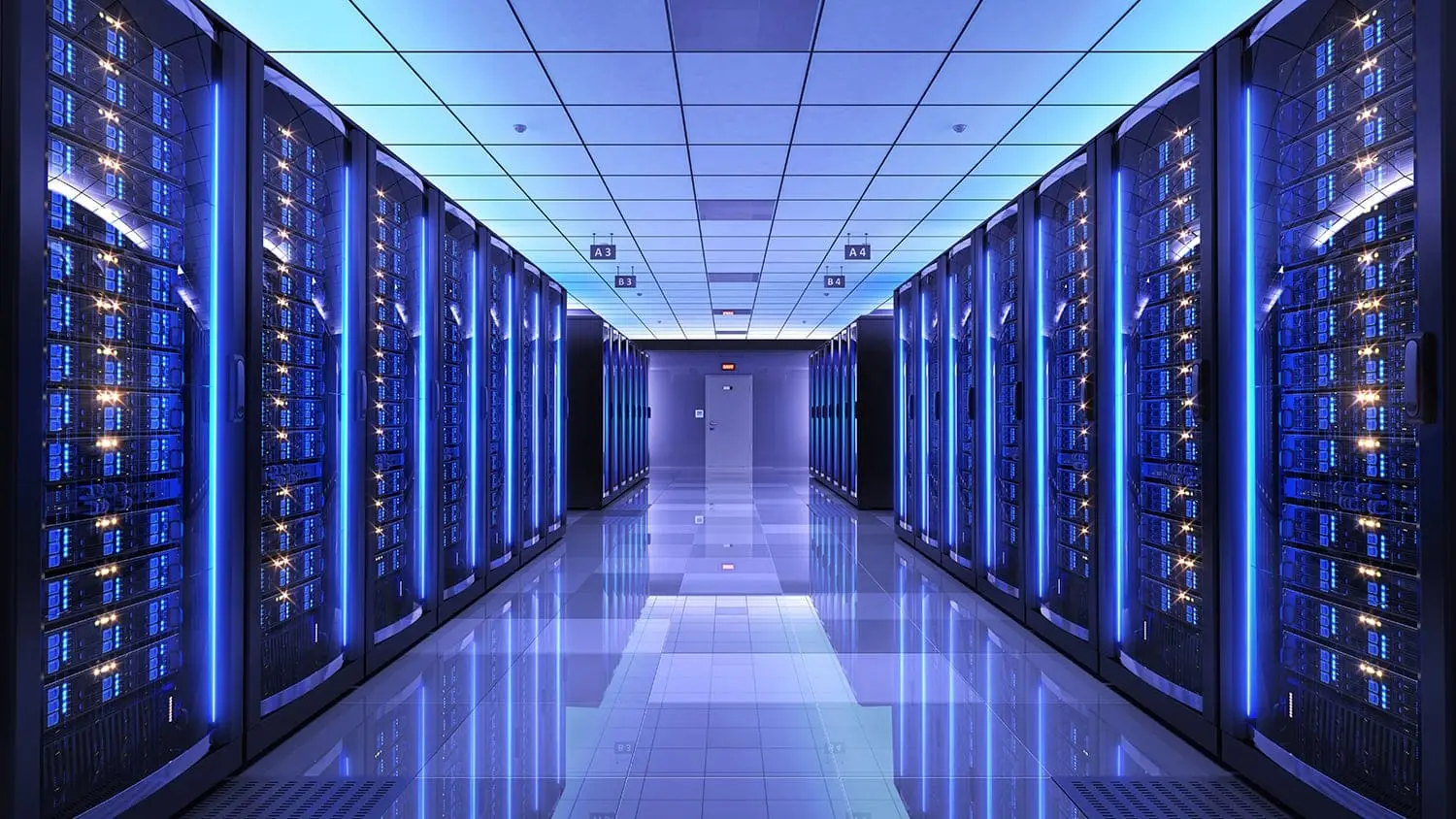
For two years, the AI story was about who had the smartest model. In 2026, the plot has shifted somewhere far less glamorous: the power grid.
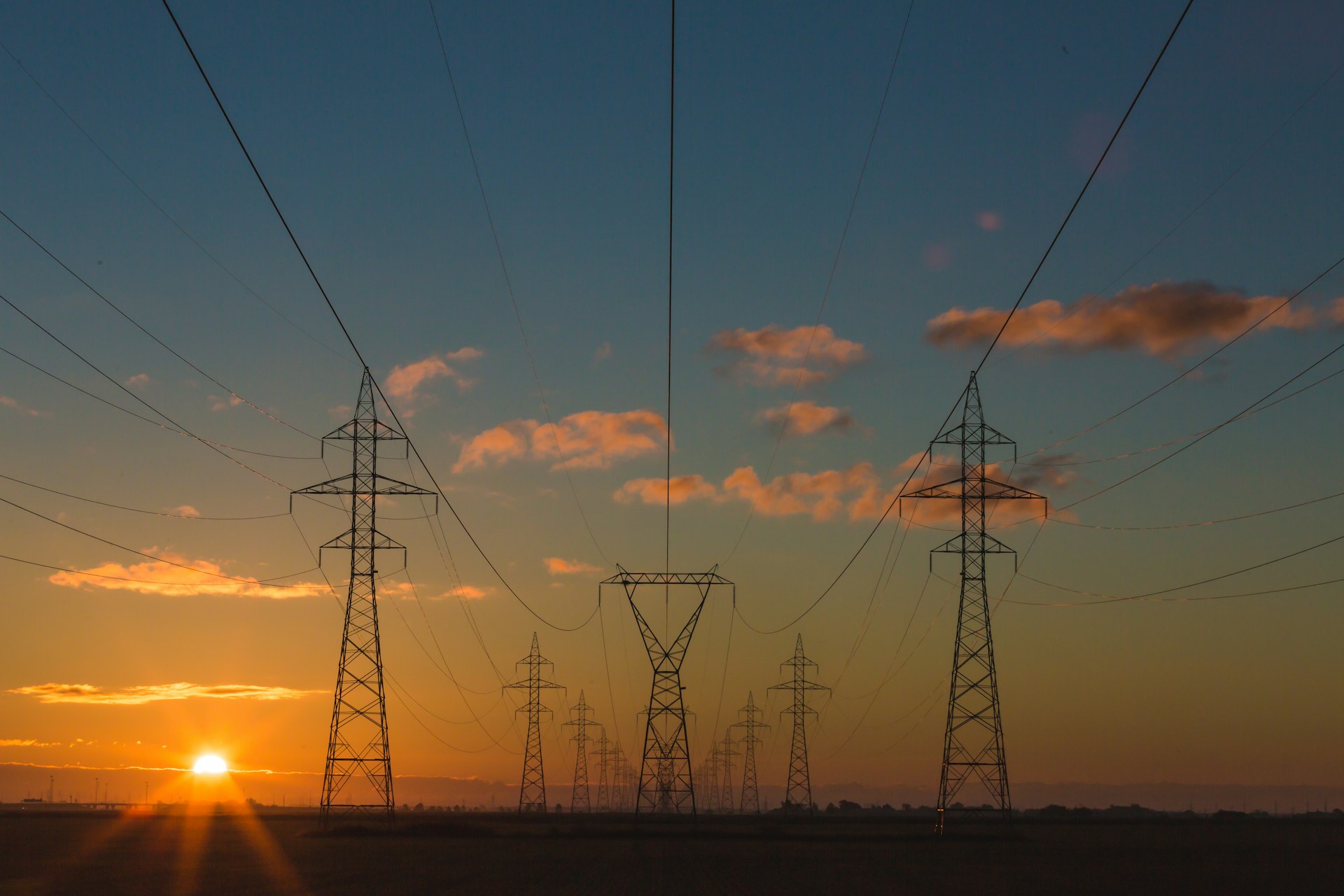
This week's headlines made the change impossible to ignore. The story of AI is increasingly about energy and industrial capacity — the race is no longer just about software, it's becoming an infrastructure race. Behind every chatbot reply and AI-generated image now sits a very physical question: where does the electricity come from?
The numbers are staggering
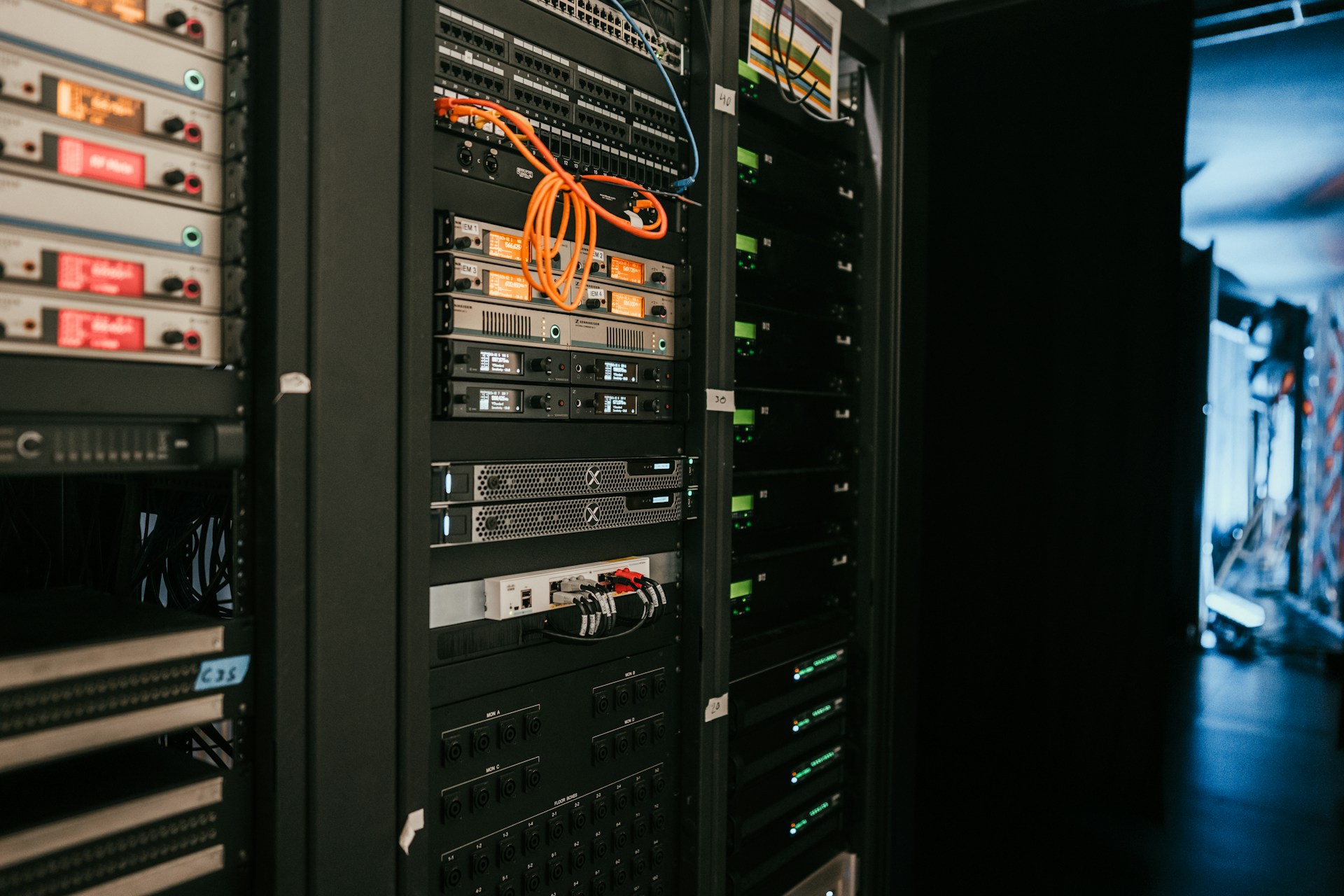
The scale of money and power involved is hard to overstate. Large technology companies are likely to commit more than $1 trillion in spending across just 2025 and 2026, much of it raised through credit markets to build energy infrastructure. And the demand keeps climbing. AI is driving global electricity demand to rise by more than a trillion kilowatt-hours per year through 2030, with data centers alone accounting for nearly 20% of that growth — an amount close to the entire power demand of Canada.
The supply side can't keep up. Morgan Stanley forecasts U.S. data center demand could reach 74 gigawatts by 2028, with a projected shortfall of roughly 49 gigawatts in available power access. In plain terms: we're planning to use far more electricity than we currently know how to deliver.
Power is now the real bottleneck
For most of computing history, the hard part was the chips. That's changing. Securing power, land, cooling capacity, and network connectivity now represents a bigger competitive moat than algorithmic innovation for many AI applications.
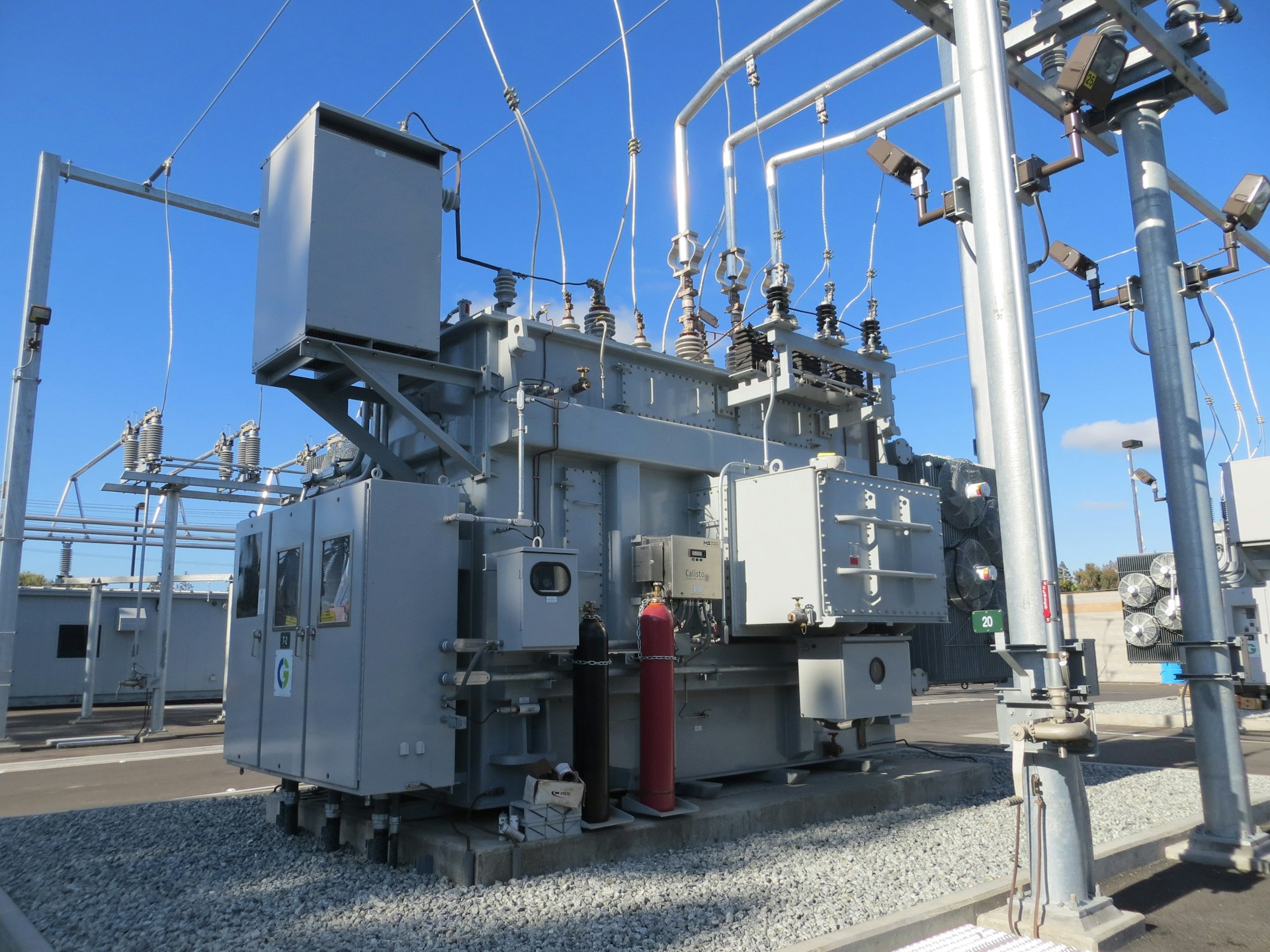
This is reshaping the map of where AI actually gets built. The geographic distribution of new AI data centers is increasingly dictated by power availability and grid capacity, pushing development away from dense but power-constrained markets toward regions with energy surpluses. As one analysis put it:
In the new AI economy, access to megawatts has become more valuable than millisecond latency.
The grid itself is feeling the strain. In one 2024 incident in northern Virginia, a voltage fluctuation caused 60 data centers to disconnect simultaneously, creating a 1,500-megawatt power surplus that forced emergency adjustments to prevent cascading outages. Regulators have taken notice, and the once-quiet world of transmission planning is suddenly a frontline AI issue.
How the industry is responding
Companies aren't waiting for the grid to catch up. A few clear strategies are emerging:
Bring your own power. Off-grid options — natural gas, microgrids, batteries, nuclear, and hybrid systems — are gaining momentum as data centers move to generate their own electricity.
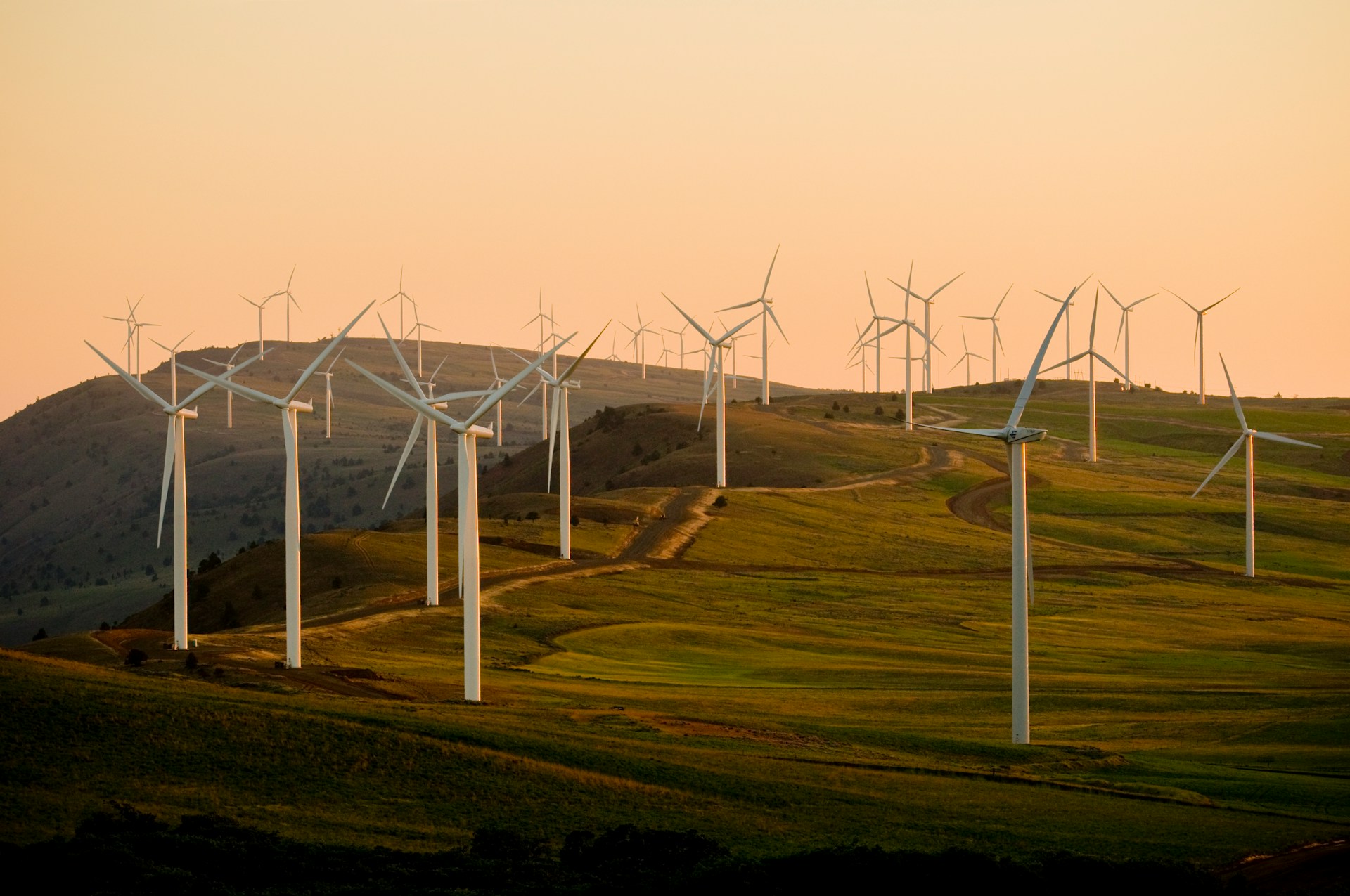
Lock in long-term supply. Deals like Microsoft's agreement for 150 MW of dedicated wind power in Spain show that securing energy is now as critical as securing GPUs.
Redesign the hardware. New data center designs are squeezing out efficiency gains — higher-voltage power delivery can improve efficiency by around 20% compared to current systems.
Rethink the data center's role. In 2026, facilities are shifting from passive energy consumers to active grid stakeholders — co-investing in upgrades and offering load flexibility to help stabilize the grid.
Why this matters beyond Silicon Valley
There's a real debate about whether all this building is wise. If the anticipated demand doesn't materialize, utilities — and the consumers who share their grid — could be left paying for stranded infrastructure. There are also hard sustainability questions, including whether the AI buildout extends the life of coal plants or drives new gas-fired generation, which could undercut carbon targets.
The takeaway for the rest of us is simple but important: AI is no longer just software you tap into through a browser. It's becoming a heavy industry — one that competes for electricity, water, and land like a steel mill or an airport. The companies that win the next phase may not be the ones with the cleverest algorithms, but the ones that can plug in fast enough to run them.
The race is on. And for now, it runs on watts.
Keep reading

AI in healthcare 2026: uses, costs, evidence
AI in healthcare by the numbers: who uses it, what ambient scribes cost, how many devices the FDA lists and where it has fallen short. See the data.
Supun BandaraOctober 10, 202617 min read

Conversational AI for customer service in 2026
Conversational AI for customer service explained: how it works, what Fin, Zendesk and Agentforce charge, and where it still fails. Compare the costs.
Supun BandaraSeptember 28, 202615 min read

AI coding assistant pricing compared in 2026
AI coding assistant pricing compared for 2026: Copilot, Cursor, Claude Code and Codex, with what each plan's included usage is actually worth in dollars.
Supun BandaraSeptember 4, 202610 min read