The Low Earth Orbit Choreography: Deciphering NASA’s Bold New Plan for Artemis III
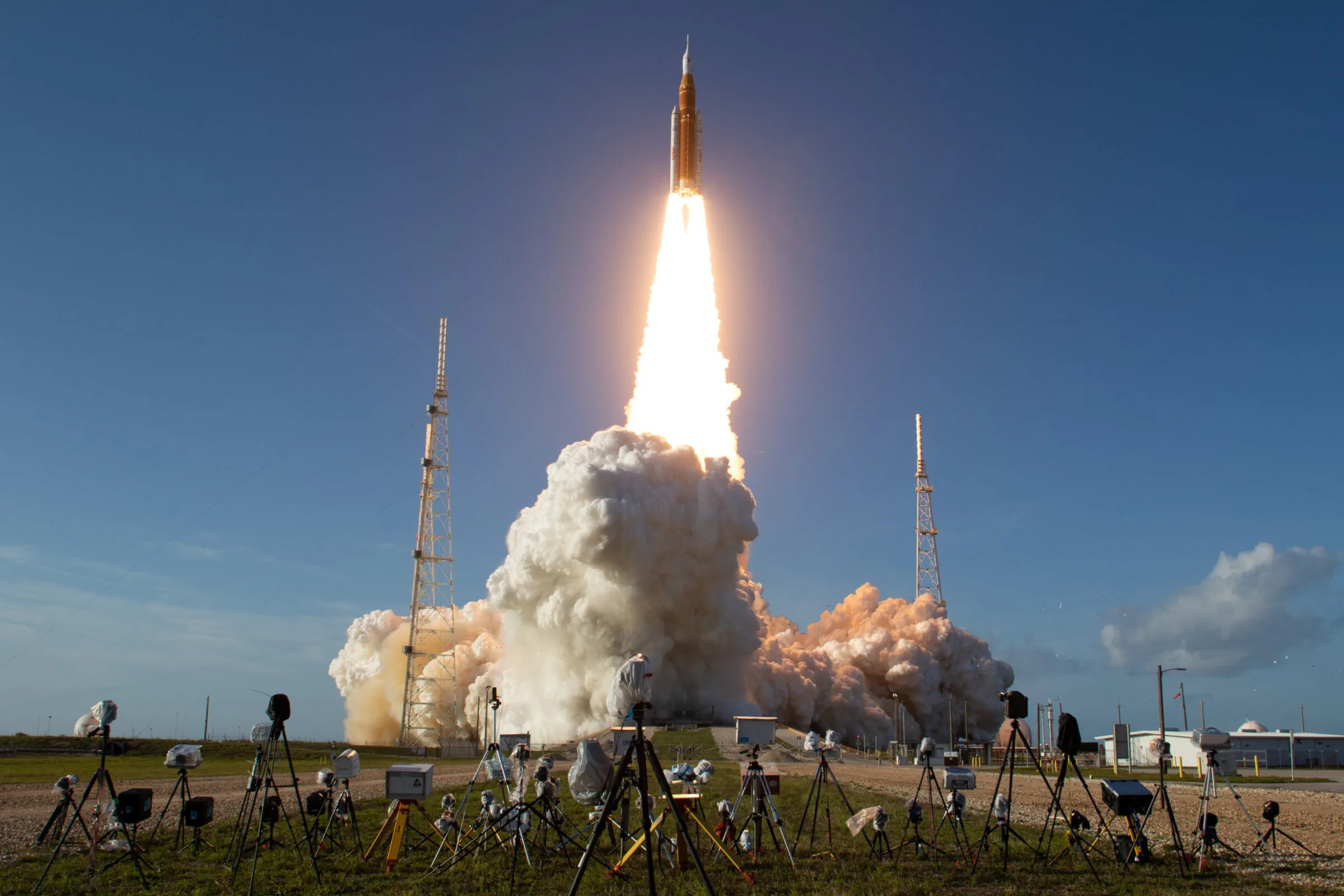
Fresh off the success of Artemis II’s lunar flyby, NASA has officially named its four-man crew for Artemis III—and completely overhauled the mission architecture. Slated for late 2027, the flight will no longer touch down on the lunar surface.
By Supun · June 14, 2026 · 3 min read

Fresh off the triumphant splashdown of the crewed Artemis II mission, NASA is keeping its foot on the gas pedal—but the route to the Moon just got a massive detour.
NASA officially announced the four-man prime crew for Artemis III, locking in the team that will fly the agency's next flagship exploration mission. However, following a sweeping programmatic restructuring, Artemis III will no longer feature the highly anticipated boots-on-the-ground landing at the lunar South Pole.
Instead, the mission has been re-engineered into an incredibly complex, 14-day flight test conducted entirely in Low Earth Orbit (LEO). Scheduled to launch in the second half of 2027, Artemis III will serve as an orbital staging ground to test two entirely different commercial human landing systems before anyone attempts a landing on Artemis IV.
Meet the Crew of Artemis III
The newly announced four-man crew brings an immense amount of flight-test experience to a mission that will demand absolute precision:
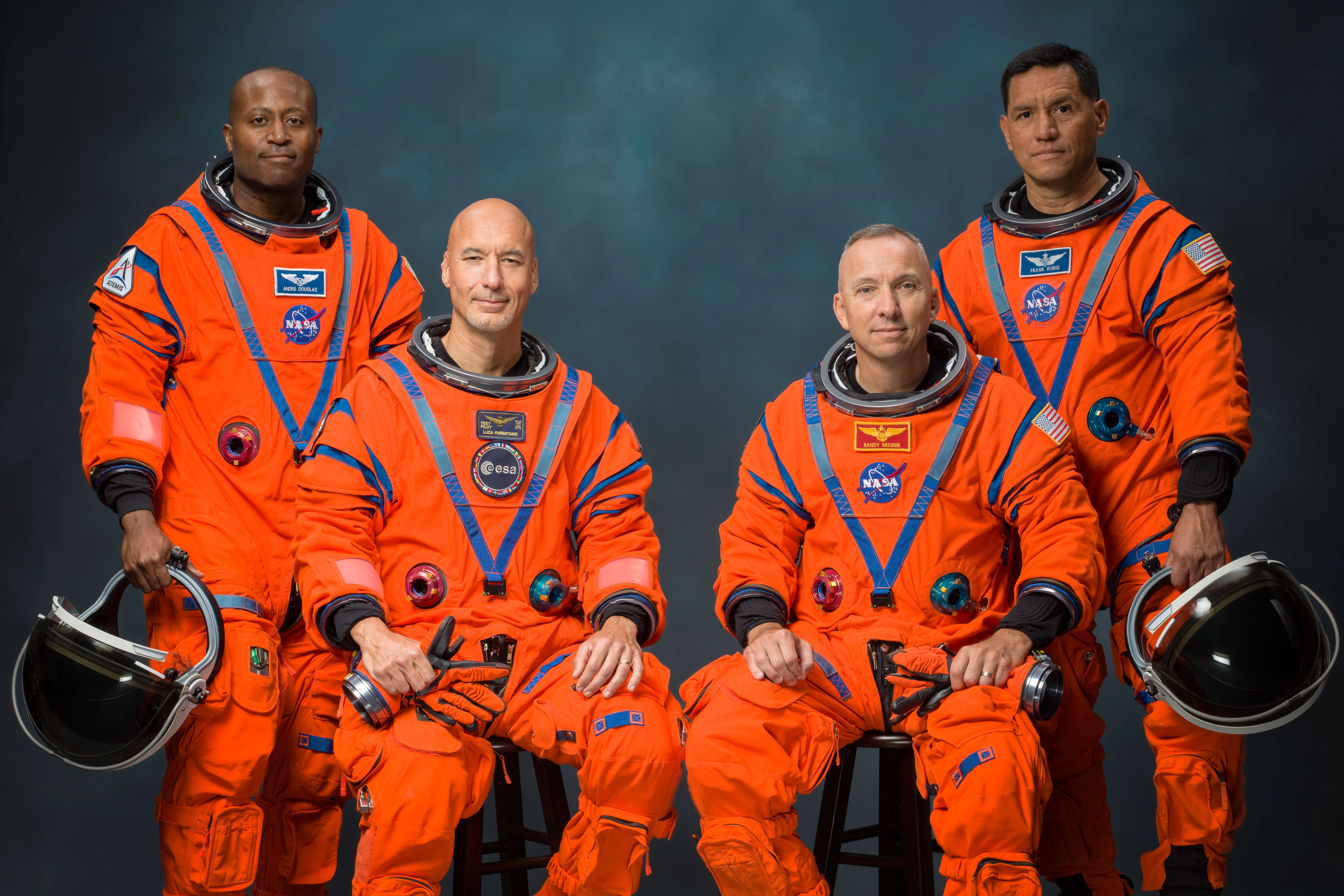
Commander Randy “Komrade” Bresnik (NASA): A former Marine fighter pilot and TOPGUN graduate. Bresnik is a space veteran who logged 149 days in orbit across a space shuttle flight and an ISS expedition.
Pilot Luca Parmitano (ESA): A legendary European Space Agency astronaut and veteran of two long-duration stays aboard the International Space Station.
Mission Specialist Frank Rubio (NASA): Holder of the US record for the single longest spaceflight (371 consecutive days aboard the ISS).
Mission Specialist Andre Douglas (NASA): A space rookie who recently served as the critical backup crew member for the Artemis II flight.
The LEO Ballet: Three Massive Rockets, Two Private Landers
The sheer operational complexity of Artemis III is staggering. Rather than a straight shot to the Moon, this mission requires three completely independent, highly synchronized launch events from multiple provider pads to meet up at precise points in space.
The workflow follows a strict orbital sequence:
The Blue Moon Arrival: First, Blue Origin’s massive New Glenn rocket will launch an uncrewed prototype of its Blue Moon Mark 2 lander into Earth orbit.
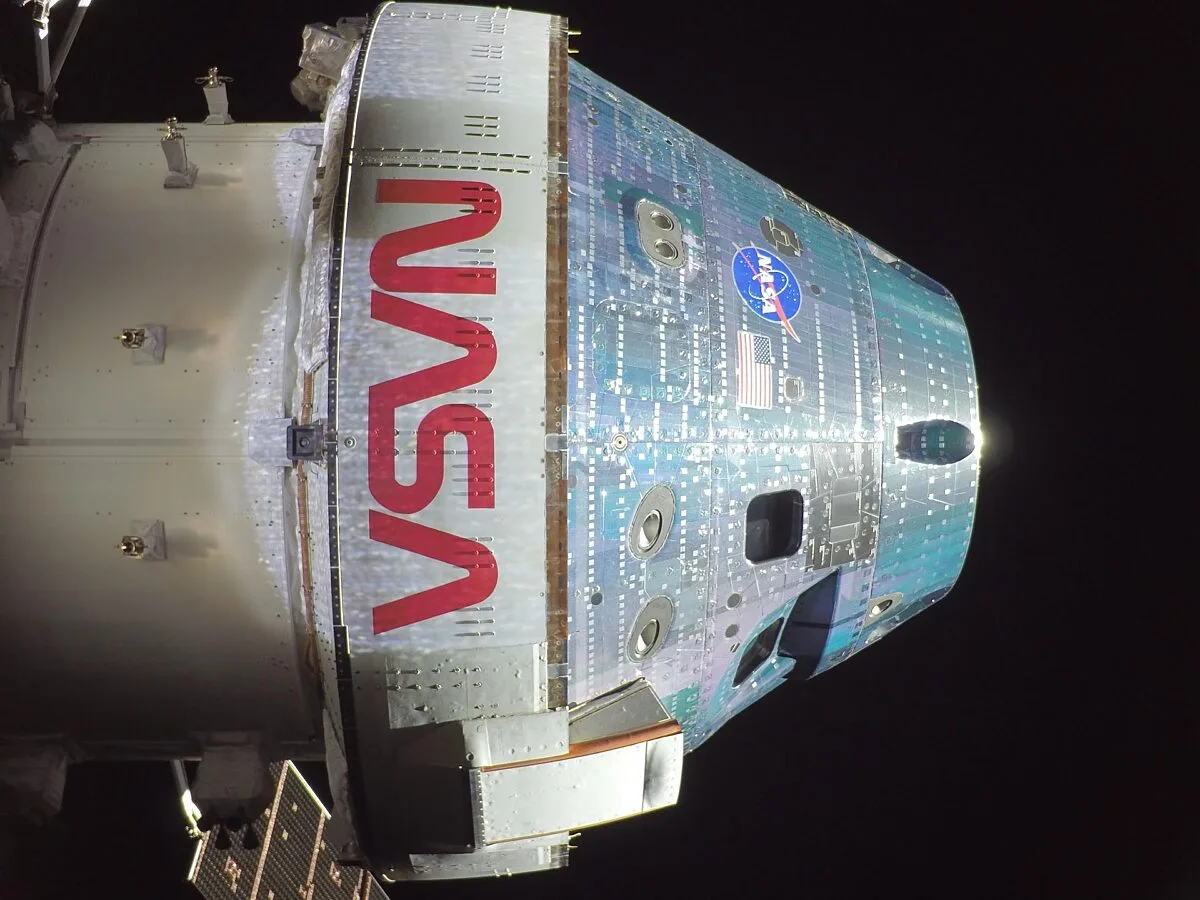
The SLS Launch & First Docking: NASA’s Space Launch System (SLS) will then blast the four astronauts inside the Orion capsule into orbit. Orion will rendezvous and dock with the Blue Moon lander, staying connected for roughly two days to test life support systems, power transfers, and brand-new Axiom Space lunar spacesuit interfaces.
The Starship Handoff: After detaching from Blue Origin, Orion will wait for SpaceX to launch a specialized Starship V3 HLS pathfinder variant equipped with a custom docking adapter. Orion will then dock with Starship for another day of rigorous technology demonstrations before heading home.
The Apollo 9 Playbook:
This structural shift mirrors exactly what NASA did during the Apollo program. After Apollo 8 successfully flew around the Moon, NASA didn't rush to land. Instead, they flew Apollo 9 in Earth orbit to thoroughly test the uncrewed Lunar Module's engines, docking rings, and life support systems in a safe environment. NASA is repeating history to eliminate variables.
Calculated Risks and the Road to Artemis IV
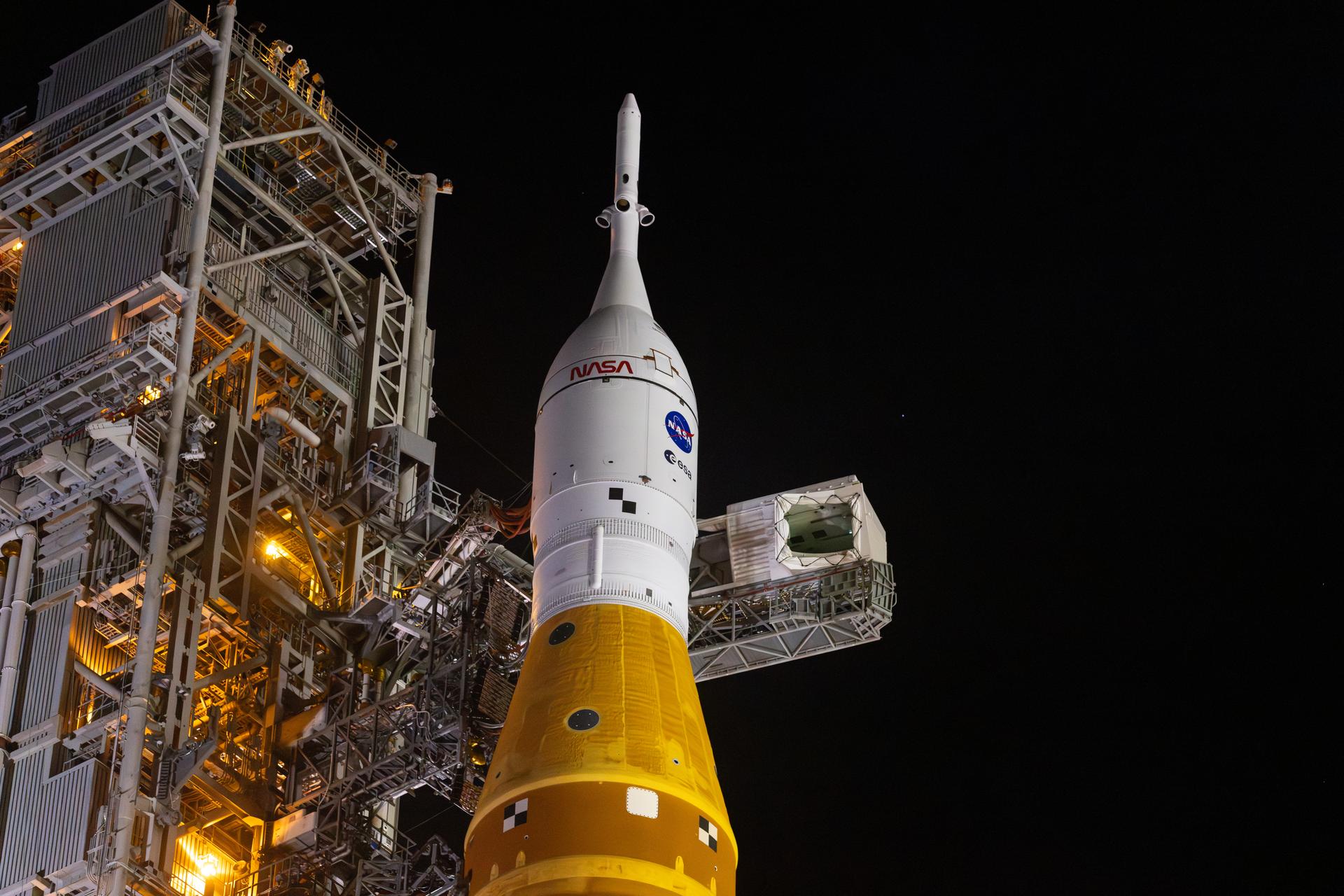
By keeping the hardware in Earth orbit, NASA drastically expands its launch windows and reduces mission risks. If a critical component fails during a docking sequence, the crew is only a few hours away from a safe atmospheric reentry, rather than three days away in deep space.
However, the timeline is not without severe pressure. Blue Origin is still actively recovering from a major launch pad setback on its New Glenn infrastructure, and SpaceX is rapidly assembling its high-fidelity Starship HLS cabin structures at Starbase amid aggressive test schedules.
Every single moving part of Artemis III is designed to pressure-test how hardware built by entirely different commercial partners can safely interface in the unforgiving void. If Bresnik and his crew can flawlessly execute this orbital ballet in 2027, it will clear the final hurdles for a historic human landing on the lunar South Pole early the following year.