Is Pet Insurance Worth It in 2026? Cost, Claims & Coverage
Is pet insurance worth it in 2026? Premiums are rising alongside vet costs, and only a third of owners come out ahead on paper, yet most still say it was worth buying. Here is what a policy actually costs in the US and UK, what's covered and excluded, and when your money is better off in a savings account instead.
By Supun · July 1, 2026 · 9 min read

The short answer for 2026
Pet insurance is worth it for many owners in 2026, but rarely because it saves money on paper. A Consumer Reports survey found that only 34% of policyholders had saved more in vet bills than they paid in premiums, yet roughly 67% still felt their coverage was worth the cost. That gap is the whole story. Pet insurance is less a savings plan and more a way to turn an unpredictable, potentially five-figure vet bill into a fixed monthly expense.
The honest answer depends on three things: your pet's age and breed, how comfortably you could cover a sudden $3,000 to $15,000 bill out of pocket, and whether you would actually set that money aside yourself if you skipped the policy. This guide walks through real 2026 pricing, what a policy does and doesn't cover, and when the maths genuinely doesn't favour buying one.
How much does pet insurance cost in 2026?
Prices vary enormously by pet, breed, and location, but there are solid national baselines to work from.
In the United States, the average cost of accident and illness coverage is $62.44 a month for dogs and $32.21 a month for cats, according to the North American Pet Health Insurance Association's most recent industry report. Real-world quoted premiums often land lower than that industry average: Insurify's tracking of actual 2026 quotes puts the more typical monthly cost closer to $43 for dogs and $23 for cats. Accident-only plans, which skip illness coverage entirely, are considerably cheaper: around $16.10 a month for dogs and $9.17 a month for cats. Breed and location swing this a lot. A French Bulldog puppy in New York City might cost $120 a month for comprehensive coverage, while a mixed-breed shorthair cat in rural Iowa might cost $18 a month for similar cover.
In the United Kingdom, the ABI puts the average premium actually paid at £389 a year for dogs, around £32 a month, based on 2024 data. Cat cover runs lower, at roughly £15 a month across all policy types. You'll see much cheaper headline quotes on comparison sites: MoneySuperMarket data from March 2026 shows a typical quoted premium of £13.13 a month for dogs and £7.69 for cats. That gap exists because comparison-site "from" prices usually reflect the cheapest accident-only policies, not the fuller lifetime cover most vets recommend. For a realistic lifetime policy on a young, healthy pet, budget £25 to £40 a month for a dog and £8 to £15 for a cat, rising sharply for high-risk breeds such as French Bulldogs, which can run £70 to £120 a month.
Costs are climbing for a reason. US vet care costs rose more than 5% year over year as of the most recent data, well above the general 3.3% inflation rate. UK vet fees are climbing at roughly 8% a year, which is why renewal increases of 15 to 30% are now common even for pets with no claims. At the same time, more owners are buying in: around 6.4 million pets in the US were insured in 2024, a 21.9% jump from the year before.
What pet insurance covers, and what it doesn't
Most policies fall into a few tiers. Accident-only plans are the cheapest and cover injuries like broken bones or swallowed objects, but nothing illness-related. Accident and illness plans, the most common type, add coverage for conditions like allergies, infections, cancer, and chronic disease. Wellness or routine-care add-ons cover vaccines, checkups, and preventive treatment, but they work more like a payment plan than real insurance.
The wellness math rarely favours the add-on. If a wellness rider costs $30 a month, that's $360 a year, roughly what a typical annual exam and vaccine schedule already costs out of pocket. You're generally better off budgeting for routine care yourself and buying insurance purely for the unpredictable stuff.
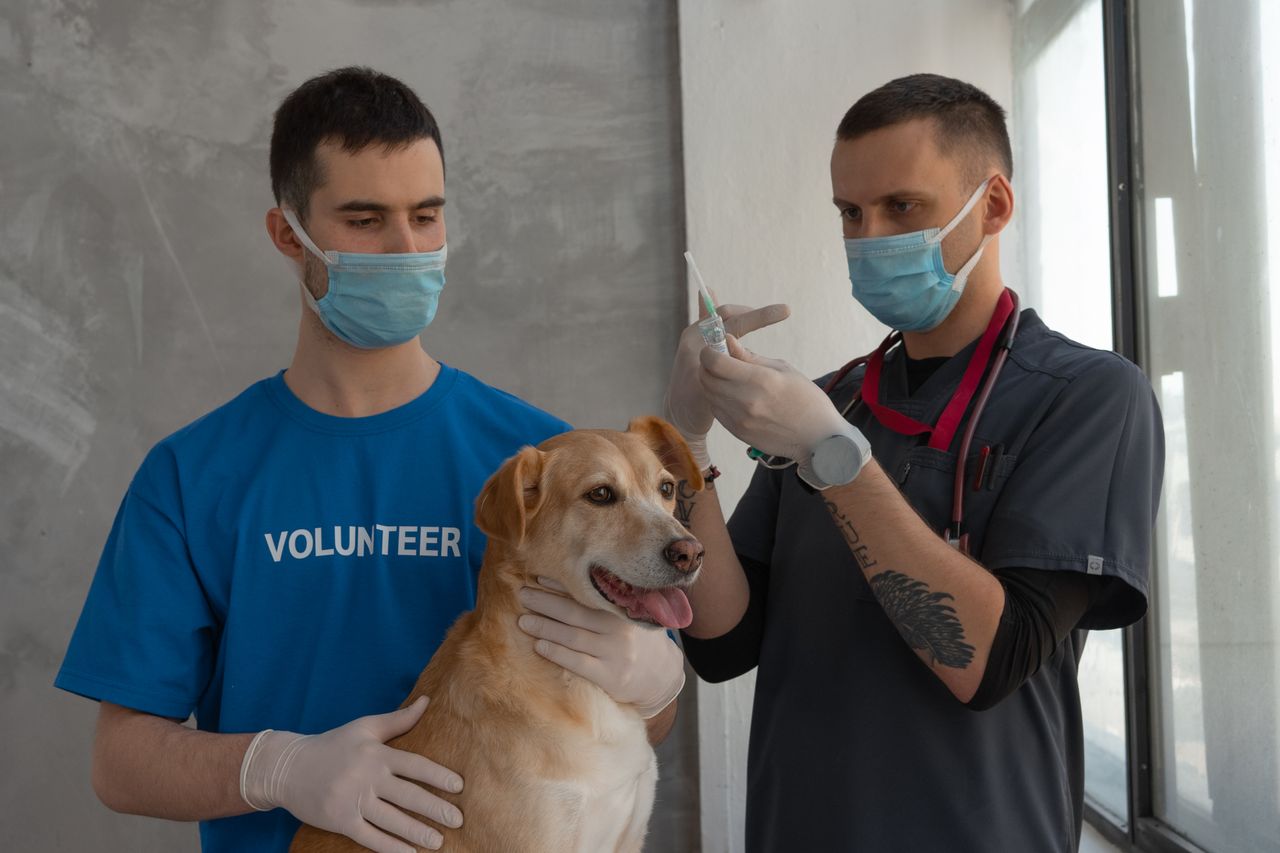
That unpredictable stuff can be significant. An emergency vet visit for a cat can run $3,000 or more, and for a dog, $5,000 or more. Orthopaedic surgery, cancer treatment, and intensive care can push bills into five figures. That gap between a routine $70 checkup and a five-figure emergency is exactly what accident and illness coverage is built for.
Pre-existing conditions: the fine print that catches people out
Pre-existing conditions are the single biggest reason pet insurance claims get denied. A pre-existing condition is any health issue your pet showed signs of before coverage started, including during the waiting period, and insurers pull vet records to check. Even a symptom noted in passing, like "occasional limping," can be enough to exclude a future claim.
Most insurers require a waiting period before coverage kicks in, commonly around 14 days for illness, with accidents covered sooner in some cases. A handful of providers will reconsider curable conditions, such as a resolved ear infection, after a symptom-free stretch of around 180 days, but incurable or chronic conditions typically stay excluded for the life of the policy. This is also why switching insurers after a diagnosis rarely pays off: the new insurer will simply exclude the condition your old one was already covering.
The practical takeaway is that pet insurance works best as prospective protection. The earlier you enrol a healthy pet, the cleaner its medical record and the broader its coverage.
The real math: premiums versus one bad vet bill
Here's a simple way to think about whether a policy pencils out. At a premium of roughly $60 a month, that's $720 a year, or $3,600 over five years if you never file a claim. Set that against the cost of a single bad year: a swallowed toy needing surgery can run $3,000 to $7,000, a torn ligament repair $5,000 to $15,000, and cancer treatment $5,000 to $15,000 or more.
One serious incident can wipe out years of premiums in a single claim, and that's the entire value proposition. Roughly a third of pets need emergency treatment in a given year, according to PDSA data, which is a high enough odds that most owners aren't comfortable self-insuring against it.

When pet insurance is not worth it
Insurance isn't automatically the right call for every pet or every owner. It's usually a weaker choice if:
Your pet is older and already has a diagnosed condition. Pre-existing exclusions mean you'd be paying full price for a policy that won't cover the treatment you're most likely to need.
You already have a dedicated emergency fund and the discipline to keep it untouched. If you'd genuinely leave $3,000 to $5,000 sitting in savings for a pet emergency, self-insuring can work out ahead.
You have a low-risk pet. An indoor-only cat with no breed predispositions is statistically less likely to generate a large claim than a large-breed dog or a brachycephalic breed.
You're mainly drawn to the wellness add-on. As covered above, this rarely beats simply budgeting for routine care yourself.
The alternative: a pet emergency fund
The most credible alternative to insurance is a dedicated, untouched savings account for vet bills, sometimes called "pet self-insurance." The appeal is real: no monthly premium, no exclusions, no claims paperwork, and the money is yours if you never need it.
The catch is discipline. A savings account only works as insurance if you actually fund it before you need it and never dip into it for anything else. For a new puppy or kitten, that means finding several thousand dollars of buffer within the first year or two, before you have any idea whether that pet will turn out to be a low-cost or high-cost animal. Insurance essentially buys you that buffer immediately, in exchange for a premium you pay whether you use it or not. For many owners, especially those without several thousand dollars in easily accessible savings, that trade is worth making.
How to lower your premium without gutting your cover
A few adjustments can meaningfully cut the cost without leaving you exposed:
Enrol young. Premiums are lowest for puppies and kittens, and a clean medical record at enrolment means fewer future exclusions.
Raise your deductible or excess. Moving from a low to a moderate deductible commonly cuts the monthly premium by 15 to 25%.
Skip the wellness rider if you're comfortable budgeting for routine care separately.
Ask about multi-pet discounts. Insuring more than one pet with the same provider commonly saves 10 to 15%.
Stay continuously covered. Letting a policy lapse, or switching insurers after a diagnosis, resets waiting periods and can turn existing conditions into permanent exclusions.
Frequently asked questions
How much is pet insurance per month in 2026?
In the US, expect roughly $43 to $62 a month for a dog and $23 to $32 for a cat on accident and illness cover. In the UK, budget around £25 to £40 a month for a dog and £8 to £15 for a cat on a realistic lifetime policy.
Does pet insurance cover pre-existing conditions?
Almost never for chronic or ongoing conditions. Some insurers will reconsider curable conditions after a symptom-free period, typically around 180 days, but this varies significantly by provider.
What's the difference between accident-only and accident and illness cover?
Accident-only covers injuries like fractures or swallowed objects. Accident and illness adds coverage for sickness, chronic conditions, and cancer, and costs roughly three to four times more.
Is it worth insuring an older pet?
It's more limited. Premiums rise steeply with age, and any condition already diagnosed will likely be excluded. Some owners still buy accident-only cover for older pets to guard against injury-related bills.
Can I use any vet with pet insurance?
In most cases, yes. Unlike human health insurance, pet insurance is typically a reimbursement model: you pay the vet directly, then submit a claim, so there's usually no network restriction.
The bottom line
Pet insurance in 2026 is a peace-of-mind product first and a savings tool a distant second. For a young, healthy pet, especially a breed with known health risks, locking in coverage early is usually the stronger financial move, since it's the only time you'll get full coverage with no exclusions. For an older pet with existing conditions, or an owner with a genuine emergency fund and the discipline to protect it, self-insuring can make just as much sense. Either way, the real decision isn't whether vet bills are a risk. They are. It's whether you'd rather pay for that risk in small monthly amounts or absorb it yourself if and when it arrives.
This article is general information, not financial or veterinary advice. Pricing, coverage terms, and exclusions vary by provider and change over time, so confirm current details directly with insurers before buying a policy.
Keep reading

Home Insurance Dropped for Wildfire Risk?
Insurers are dropping homes over wildfire risk at record rates. What a non-renewal notice really means, and the steps that get you covered again in 2026.
SupunAugust 31, 202610 min read17 views

Term vs Whole Life Insurance: Which Is Worth It in 2026?
Term vs whole life insurance — which is actually worth it? Compare real 2026 costs, cash value, and the "buy term and invest the difference" strategy. Learn when cheap term coverage beats permanent whole life, when whole life genuinely makes sense, and how to pick the right policy for your family and budget.
SupunJune 16, 20268 min read5 views