Beyond the Horizon: How Christopher Nolan Rebuilt Homer’s 'The Odyssey' for IMAX 70mm
Releasing on July 17, Christopher Nolan’s '$250 million mythic epic 'The Odyssey' is rewriting the cinematic rulebook. Starring Matt Damon and Tom Holland, it is the first feature film in history shot entirely on IMAX 65mm film. We dive into the massive physical scale of adapting humanity's oldest adventure story, the brand-new camera technology engineered for the shoot, and why this represents th
By Supun · June 14, 2026 · 3 min read
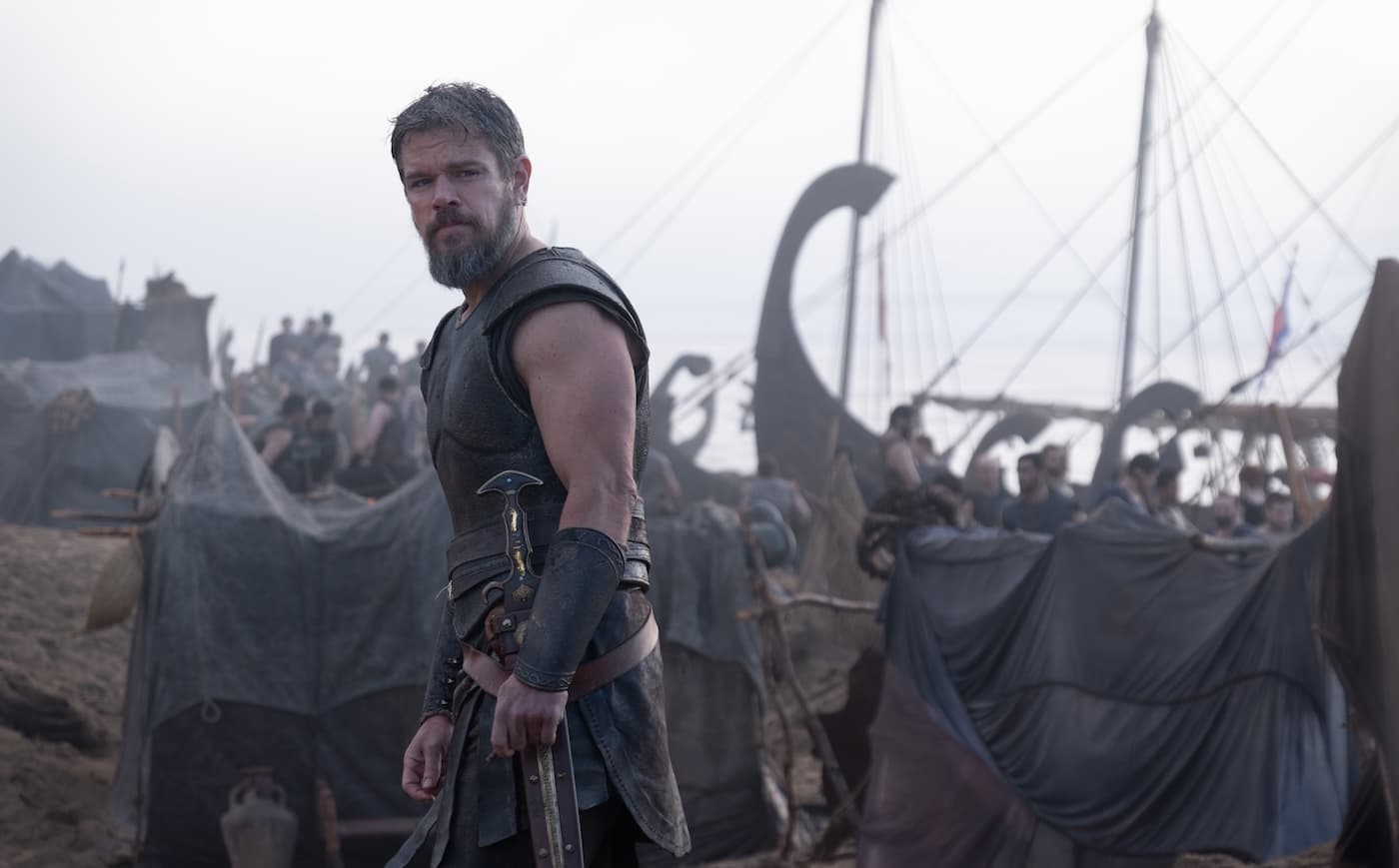
Next month, the oldest surviving adventure story in human history meets the absolute bleeding edge of modern cinema technology.
On July 17, 2026, Universal Pictures and Syncopy will release Christopher Nolan's The Odyssey. Clocking in at a massive 172-minute runtime, the $250 million production is a mythic action epic detailing the harrowing, ten-year journey of the Greek champion Odysseus as he struggles to return home to Ithaca after the fall of Troy.
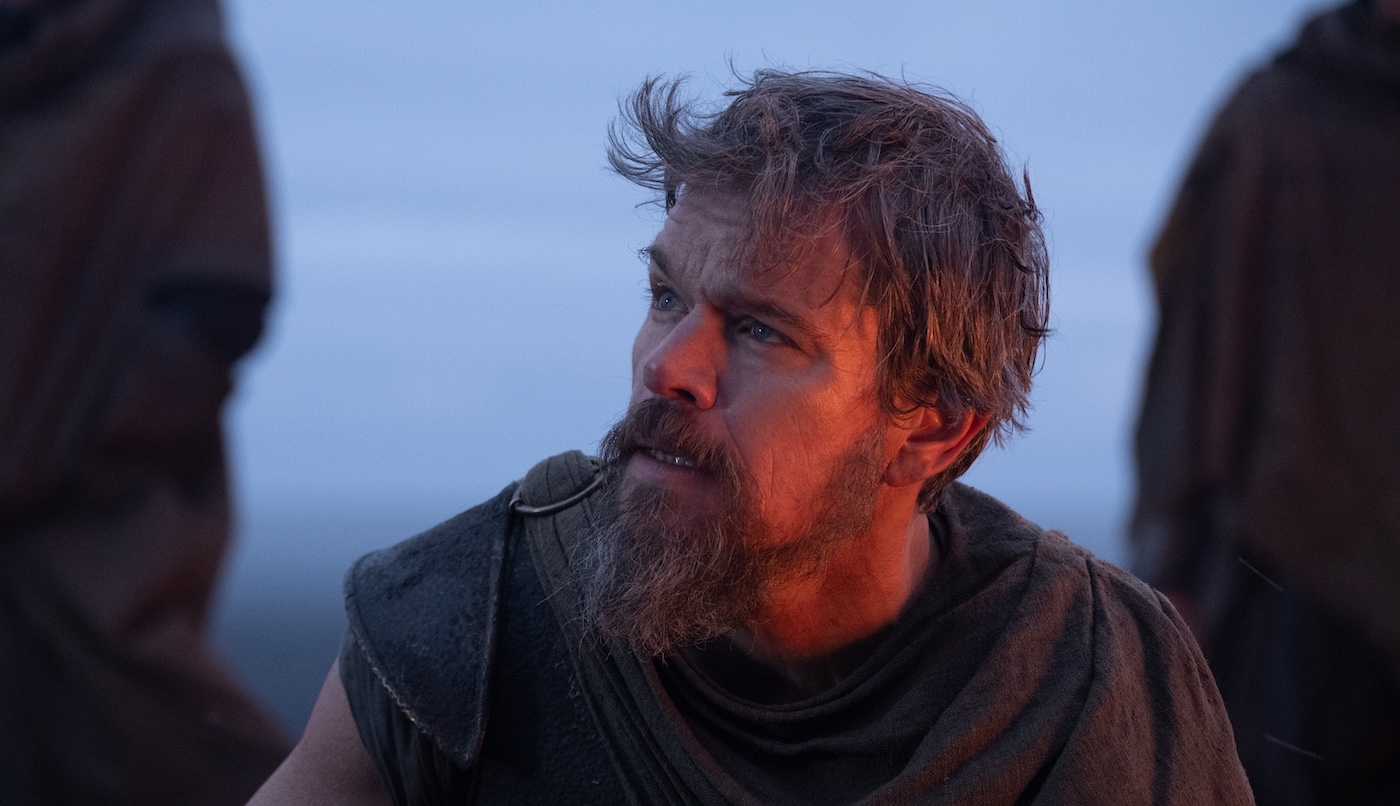
While the ensemble cast—featuring Matt Damon as Odysseus, Anne Hathaway as Penelope, and Tom Holland as Telemachus—has dominated Hollywood headlines, the real jaw-dropper is happening behind the lens.
History in the Making: The Two-Million-Foot Milestone
Nolan has long been a champion of analog film, but The Odyssey marks an unprecedented technological milestone: it is the first major commercial feature film to be shot entirely using IMAX 65mm 15-perforation cameras.
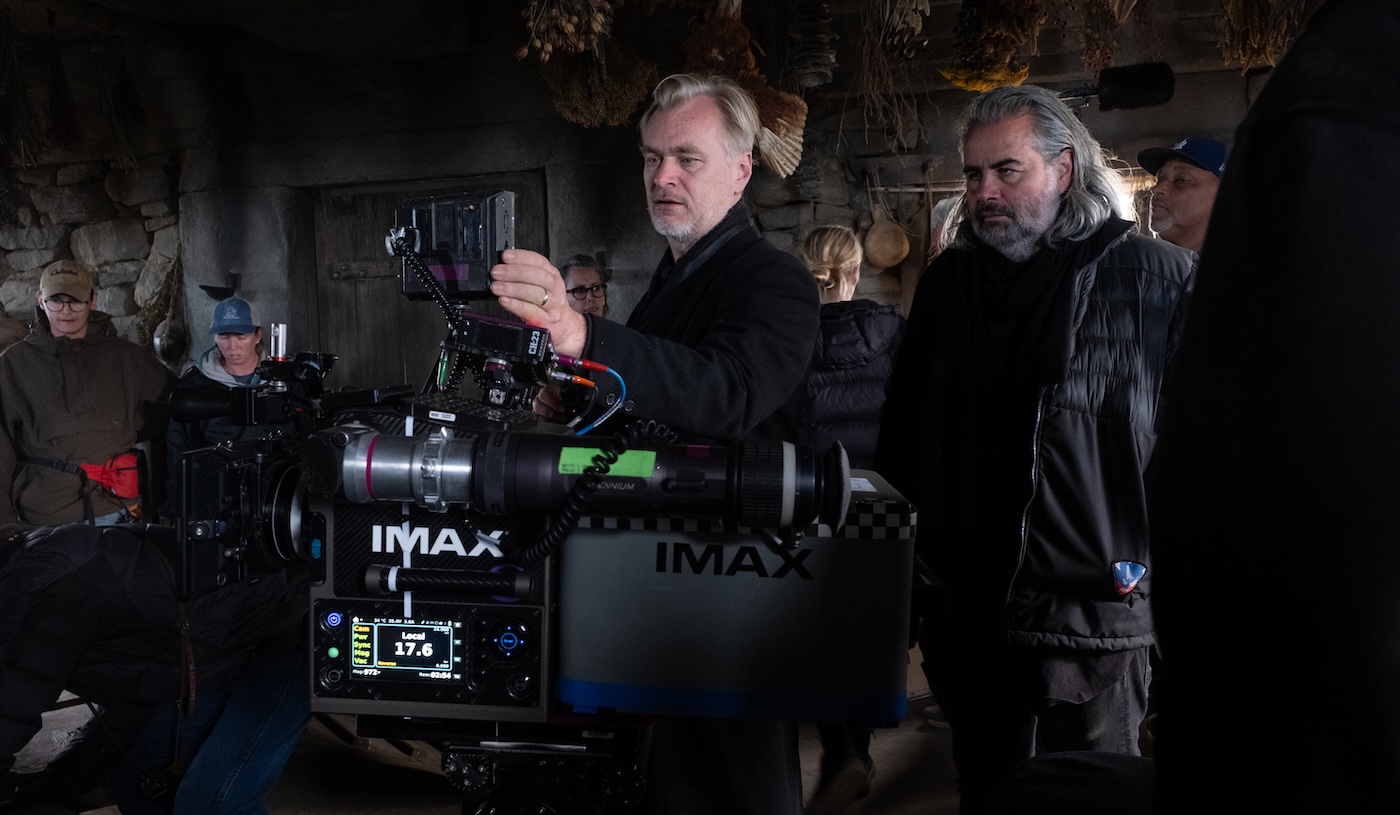
To pull this off, the production crew went through an astonishing two million feet of IMAX film stock while shooting on locations around the globe.
The Scale of IMAX 70mm:
Standard 35mm film shoots vertically, but IMAX 70mm film runs horizontally through the projector. Each frame is 15 perforations wide—roughly ten times the size of a standard cinema frame. This delivers unparalleled visual clarity, depth, and color accuracy that digital sensors still cannot replicate.
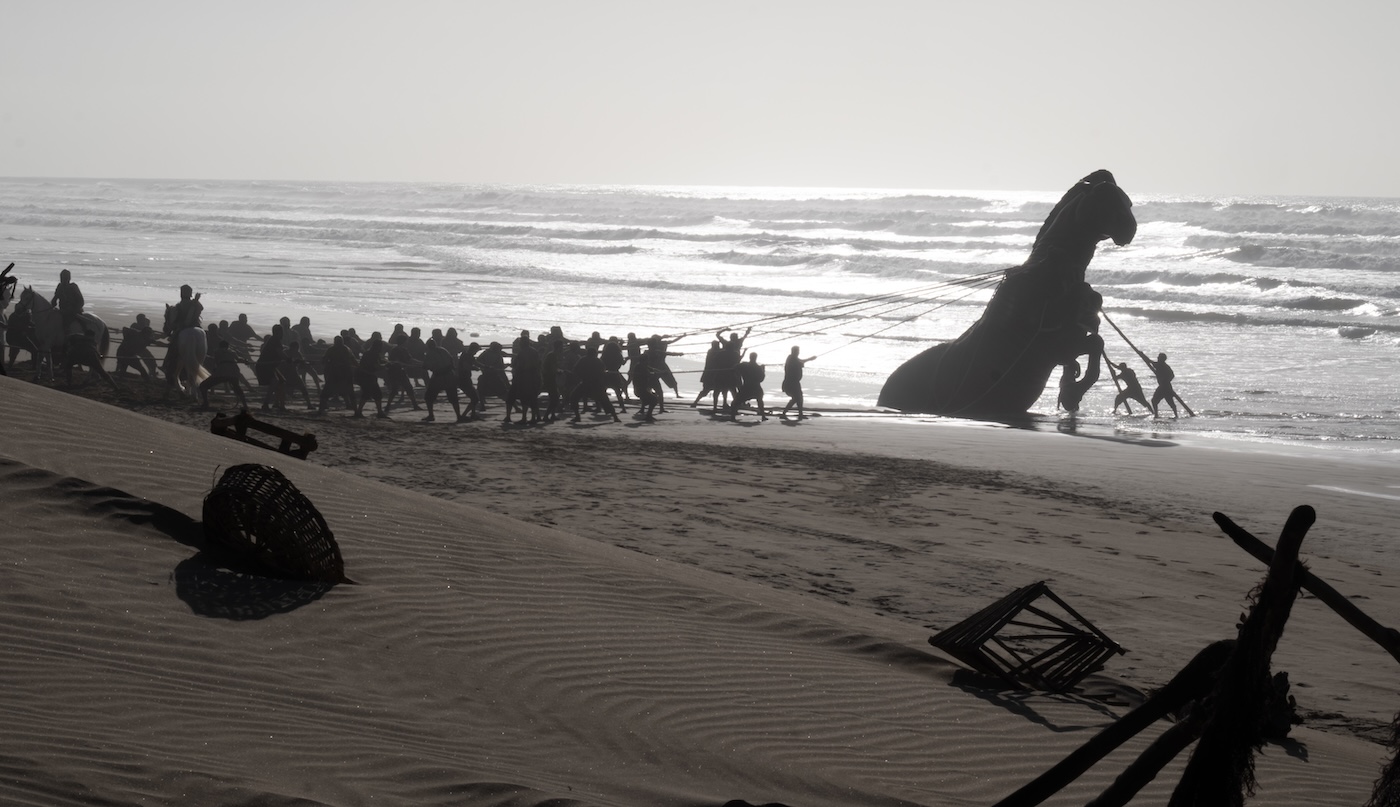
In standard Nolan fashion, CGI was heavily restricted. The crew built massive physical sets to recreate the bronze-age city walls of Troy, and engineered specialized water tanks and open-ocean camera rigs to capture Odysseus's tempest-tossed fleet without relying on green screens.
Engineering New Cameras for Gods and Monsters
Shooting a dialogue-heavy, character-driven epic entirely on IMAX cameras presented a massive engineering hurdle. Historically, IMAX cameras have been notoriously loud—the internal mechanisms sound like a roaring lawnmower—making it impossible to record usable on-set dialogue during quiet scenes.
To adapt Homer's intimate character arcs, Nolan's technical team collaborated with IMAX engineers to deploy a brand-new generation of dampened, significantly quieter 65mm film cameras. These advanced housings allowed the crew to shoot close-up dramatic sequences between Matt Damon and Tom Holland without ruining the audio tracks.
Furthermore, specialized audio engineering was required to capture the immense soundscape of Greek mythology. Sound designers mixed the roar of the Cyclops (Polyphemus) and the deadly vocal harmonies of the Sirens specifically to exploit the multi-channel, laser-aligned IMAX audio systems, promising an aggressive, physical acoustic experience.
Why the Ancient World Demands the Largest Screen
Adapting a 2,700-year-old epic poem through a sci-fi director's lens implies structural complexity. With Nolan at the helm, film analysts are already anticipating non-linear timelines or narrative framing tricks to capture the multi-layered nature of Homer's original text.
By utilizing the maximum available canvas of 70mm projection, The Odyssey isn't just trying to tell a story; it's attempting to merge historical myth with experiential science. As Nolan recently remarked during a featurette screening, "We aren't just letting you watch the voyage. We are trying to put the audience directly on the deck of Odysseus's ship."
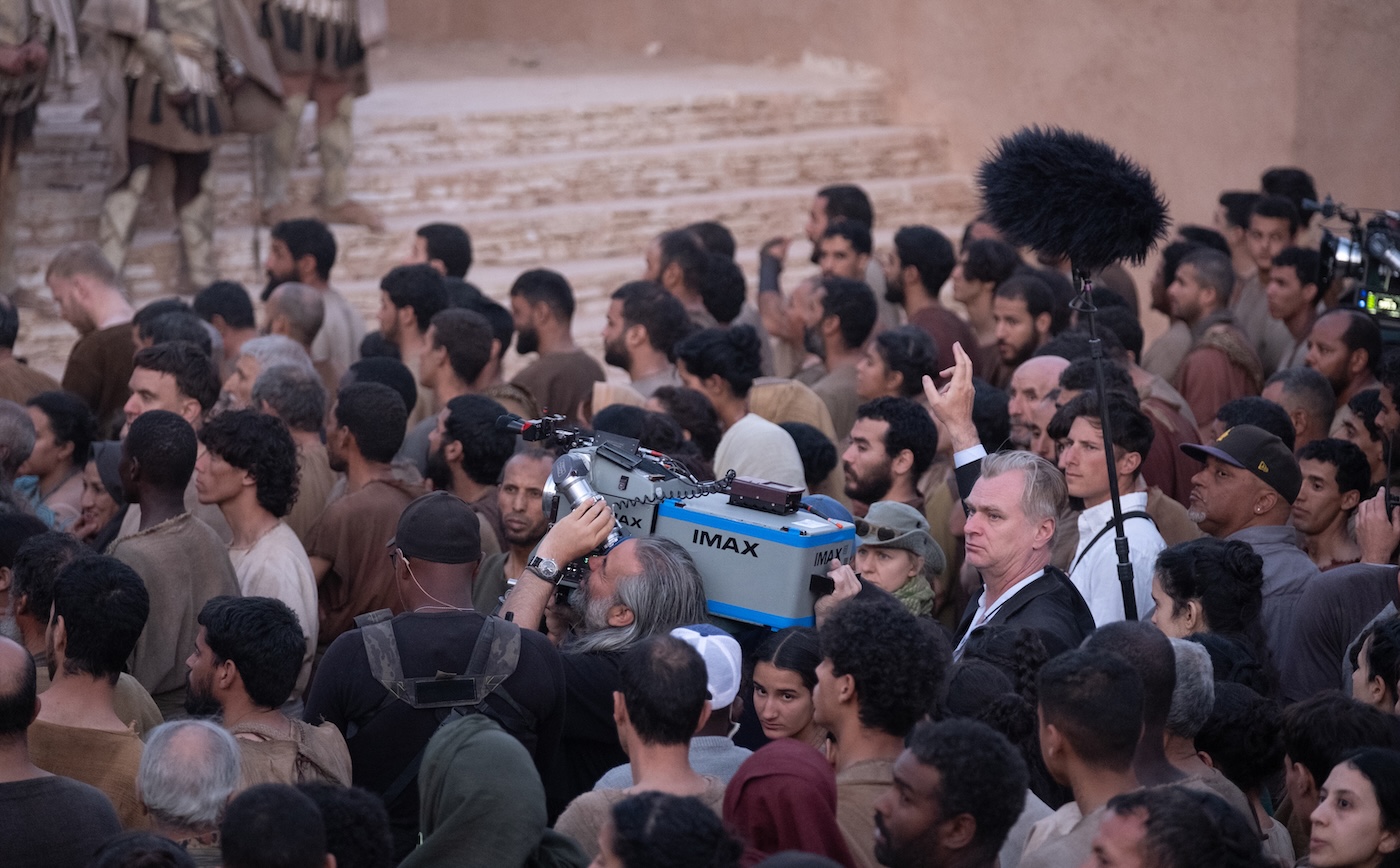
Advance IMAX tickets go on sale tomorrow, June 15, and if the massive theatrical lines for the exclusive trailer print playing ahead of Spielberg's Disclosure Day are any indication, standard screens simply won't cut it for this one.
Keep reading
Assassin's Creed Black Flag Resynced Review: Is It Worth It?
Assassin's Creed Black Flag Resynced launched July 9, 2026 with an 84 Metacritic score. Here's what's new, how much every edition costs, full PC requirements, and whether the pirate remake is worth buying.
SupunJuly 9, 20266 min read9 views
GTA 6 Pre-Order Guide 2026: Price, Editions & Bonuses
GTA 6 pre-orders are now live ahead of the November 19, 2026 launch. Here's everything you need before you buy: the $79.99 Standard and $99.99 Ultimate editions, UK and US prices, the Vintage Vice City Pack bonus, pre-load dates, where to pre-order on PS5 and Xbox, and whether pre-ordering is actually worth it this time.
SupunJune 29, 20267 min read12 views