Balance Transfer Credit Cards: Are They Worth It in 2026?
Balance transfer credit cards promise months of 0% interest on your existing debt. Here's how they actually work in the UK and US in 2026, what they really cost once fees are included, and how to tell if one is worth it for your situation.
By Supun · July 3, 2026 · 8 min read
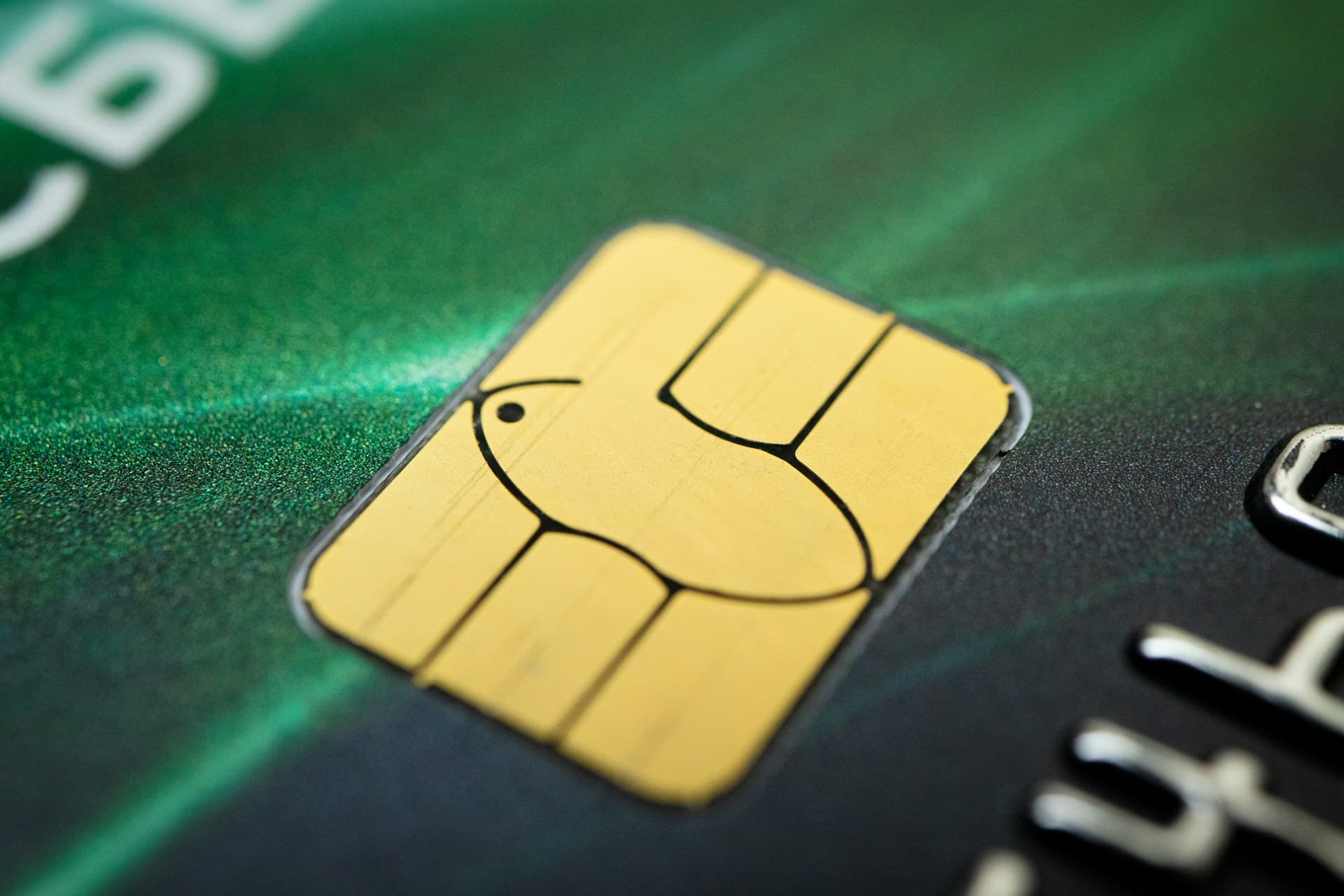
What Is a Balance Transfer Credit Card?
A balance transfer credit card lets you move existing credit card debt onto a new card that charges little or no interest for a set promotional period. Instead of your monthly payment being split between principal and a hefty interest charge, nearly all of it goes toward actually clearing the debt.
It sounds almost too good to be true, and in a sense it is: these cards make their money from transfer fees and from the higher rate that kicks in once the 0% window closes. Used well, though, they're one of the most effective tools for getting out of credit card debt faster.
This article is general information, not financial advice. Always check a card's current terms before applying, and consider speaking with a qualified financial advisor about your specific situation.
How a 0% Balance Transfer Actually Works
The mechanics are the same wherever you are:
You apply for a card that offers a 0% (or low) introductory rate on balance transfers.
Once approved, you request the transfer — either during the application or shortly after.
The card issuer pays off your old balance and adds it to your new card.
You make at least the minimum payment each month during the promotional period, with a one-off transfer fee usually added to your new balance.
When the 0% window ends, any leftover balance starts accruing interest at the card's standard rate.
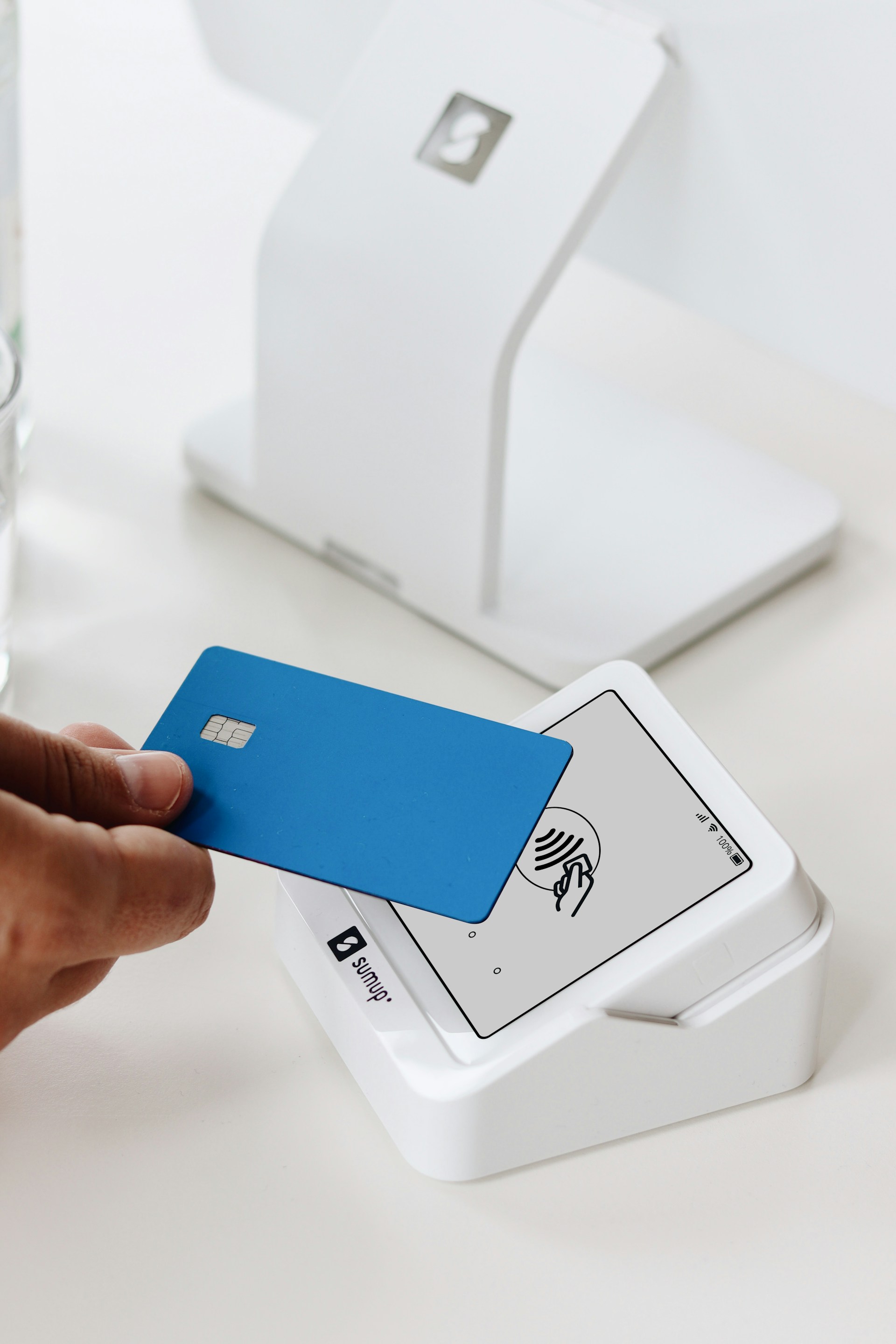
The catch that trips people up most often: you almost always have to complete the transfer within a specific window — commonly 60 to 90 days after opening the account — to lock in the promotional rate. And you generally can't transfer a balance between two cards from the same bank or banking group.
UK vs US: How the Numbers Compare
Balance transfer cards exist in most major markets, but the terms — and what counts as a "good" deal — differ noticeably.
UK cards in 2026
UK providers currently offer some of the longest 0% windows on the market. Several major banks are advertising 0% balance transfer periods of up to 36 months, with fees generally landing between 3% and 3.5% of the amount transferred and a representative APR of around 24.9% once the promotional rate ends. The average UK credit card APR sits at roughly 21–24%, and the typical person shopping for one of these cards is looking to move around £5,000 to £5,400 of debt.
A few UK-specific quirks worth knowing:
Most cards let you transfer up to 90–95% of your new credit limit.
You'll usually need at least a year of UK address history and a UK bank account.
Using an eligibility checker (a soft search that doesn't affect your credit score) before applying is standard practice and worth doing every time.
US cards in 2026
US balance transfer cards tend to offer shorter 0% periods than their UK counterparts, but often pair them with no annual fee and, in some cases, ongoing rewards. Leading offers currently range from around 15 to 21 months at 0% APR, with balance transfer fees typically running 3% to 5% of the amount moved (often with a lower introductory fee for transfers made in the first few months, rising afterward). Standard variable APRs after the intro period commonly fall somewhere in the high teens to high twenties, depending on your creditworthiness.
Cards built specifically around balance transfers, such as those from Citi and Wells Fargo, tend to lead on 0% duration, while some no-frills options prioritize a lower ongoing rate instead of the longest possible intro window. If you want ongoing rewards after your debt is cleared, cash-back cards with a balance transfer offer attached are worth comparing too — just expect a shorter promotional period in exchange.
Similar 0% balance transfer deals are available in Canada and Australia through major banks, though promotional periods and eligibility criteria vary by lender, so it's worth comparing offers directly through each bank's own site.
Do the Math Before You Apply
The only way a balance transfer is worth it is if the interest you save is bigger than the fee you pay. Here's a simplified example (figures are illustrative, not tied to a specific card):
Say you're carrying $6,000 in credit card debt at 24% APR and paying $300 a month. In month one alone, roughly $120 of that payment goes purely to interest — before you've made a dent in the principal.
Move that same $6,000 to a card offering 0% APR for 18 months with a 3% transfer fee ($180), and every dollar of your $300 payment goes straight to the balance. You'd clear the debt in around 20 months for a total cost of $180, versus potentially $1,000 or more in interest if you'd stayed on the 24% card over the same stretch.
The trade-off to watch: cards with longer 0% periods often charge higher fees, so it's worth calculating the total cost (fee plus any interest you might still pay) rather than chasing the longest headline number alone.

Does a Balance Transfer Hurt Your Credit Score?
Not directly, but opening a new card to do it can move your score in both directions.
What can lower your score slightly:
The hard inquiry from your application, which typically knocks off only a few points and fades within a year or so.
A drop in your average account age, since you're adding a newer account to your credit file.
What can help your score:
A lower overall credit utilization ratio, since you now have more total available credit relative to your debt.
A stronger payment history over time, as you steadily pay down the balance.
The general guidance from major credit bureaus is that a single, well-planned balance transfer tends to help more than it hurts in the medium term — the real risk to your score comes from applying for several cards in a short window or racking up new debt on the old card after transferring the balance.
When a Balance Transfer Is (and Isn't) Worth It
It's usually a good fit if:
You're carrying high-interest debt and have a realistic plan to pay it down within the promotional period.
Your credit is strong enough to qualify for a competitive 0% offer.
You can commit to not spending on the old card once it's cleared.
It's probably not the right move if:
You're likely to keep spending on the new card and add to the balance.
You can only manage minimum payments, meaning you'll still be carrying debt when the promotional rate reverts.
The transfer fee outweighs the interest you'd actually save over your payoff timeline.
How to Make a Balance Transfer Actually Work
Check your eligibility with a soft search first, so shopping around doesn't dent your score.
Pick the shortest 0% period you can realistically clear your debt within — shorter deals usually carry lower fees.
Complete the transfer within the required window (often 60–90 days).
Set up a direct debit or autopay for more than the minimum — ideally your balance divided by the number of months in your 0% period.
Avoid spending on the old card, and consider keeping it open (with a zero balance) rather than closing it, since closing it can raise your utilization ratio.
Put a reminder a couple of months before the 0% period ends, in case you need to pay off or transfer any remaining balance again.
FAQ
Does a balance transfer hurt my credit score?
It can cause a small, temporary dip from the hard inquiry, but paying down the debt and lowering your credit utilization typically outweighs that over the following months.
Can I transfer a balance between two cards from the same bank?
No — virtually all issuers block transfers between cards from the same bank or banking group.
What happens if I don't clear the balance before the 0% period ends?
Any remaining balance starts accruing interest at the card's standard revert rate, which is often in the 17–28% range depending on the card and market.
Is there a limit on how much I can transfer?
Most cards let you transfer up to 90–95% of your new credit limit, so the amount you can move depends on the credit limit you're approved for.
Should I close my old credit card after the transfer?
Generally no. Keeping it open (unused) preserves your available credit and helps your utilization ratio, unless the card has an annual fee or you're worried about the temptation to spend on it.
The Bottom Line
A balance transfer card isn't free money — it's borrowed time. Used with a clear payoff plan, it can save you hundreds or even thousands in interest and get you out of debt considerably faster. Used without a plan, the fee and eventual revert rate can leave you in a similar spot to where you started, just with a new card in your wallet. Before you apply, run the numbers on your specific balance, compare a couple of current offers side by side, and make sure the payoff timeline actually fits your budget.
Keep reading

Do You Need a Personal Injury Lawyer After a Car Accident?
Not every car accident needs a lawyer, but some clearly do. Here's how to tell the difference, what a personal injury lawyer actually costs under contingency fee or no win, no fee arrangements, and how the process and deadlines differ between the US and UK.
SupunJuly 2, 20269 min read7 views

How to Improve Your Credit Score in the UK (2026 Guide)
A clear 2026 guide to improving your UK credit score — including Experian's new 0–1250 scale, what really moves the number across Experian, Equifax and TransUnion, and the free steps that work fastest, from the electoral roll to credit utilisation.
SupunJune 15, 20267 min read3 views