Are Solar Panels Worth It in 2026? Costs, Payback & Savings
Are solar panels worth it in 2026? With the US federal tax credit now expired, the UK's 0% VAT still running, and Australia's rebates leading the world, the answer depends heavily on where you live. Here is what a system really costs, how fast it pays back, and when solar does (and does not) make financial sense this year.
By Supun · June 29, 2026 · 9 min read

The short answer for 2026
Solar panels are still worth it for many households in 2026, but the honest answer now depends more than ever on one thing: where you live. The economics shifted sharply at the start of the year. The United States ended its headline 30% homeowner tax credit on 31 December 2025, while the UK kept its 0% VAT break and Australia continues to run one of the most generous rooftop schemes in the world. The same panels that pay for themselves in under five years in Sydney can take well over a decade in a low-rate US state.
This guide breaks down what a system actually costs in 2026, how quickly it pays back across the major markets, and the situations where solar genuinely is not the right call.
How much do solar panels cost in 2026?
Hardware prices have largely flattened, so most of the cost difference between countries now comes down to labour, system size, and local incentives.
In the United States, a typical home system runs about $2.50 to $3.80 per watt before incentives, which puts an 8 kW install in the rough range of $20,000 to $26,000. EnergySage data in 2026 puts the national average near $2.58 per watt, with a 12 kW system averaging around $30,500 before any incentives. EnergySage
In the United Kingdom, a standard 4 kW system costs roughly £5,500 to £8,000 fully installed, and that figure already includes the 0% VAT saving. Larger 6 kW systems typically run £8,000 to £11,000, and prices have fallen by around half over the past decade.
Australia remains the bargain of the bunch because the federal rebate is baked into the sticker price. The most popular 6.6 kW system costs about AU$4,000 to AU$7,000 after rebates, and a good-quality 10 kW system lands around AU$8,000 to AU$13,000.
As a rule of thumb, plan for a smaller cost per watt on larger systems, and expect roof complexity, scaffolding, and panel brand to swing the final quote by a meaningful margin.
The big 2026 shift: incentives changed
This is the part most older articles get wrong, so it is worth getting right.

United States: the 30% tax credit is gone
For more than a decade, US homeowners could claim 30% of their system cost back through the federal Residential Clean Energy Credit (Section 25D). That ended abruptly. The One Big Beautiful Bill Act, signed on 4 July 2025, terminated the credit for expenditures made after 31 December 2025, with no phase-down and no partial credit in 2026. The Solar Energy Industries Association confirms a system had to be installed on or before that date to qualify.
There is one workaround. The commercial credit (Section 48E) still applies to third-party-owned systems, such as leases and power purchase agreements, through the end of 2027. In those arrangements the leasing company claims the credit and passes the benefit on through lower payments, so you do not own the system outright. State programmes also still matter: New York, for example, offers a 25% state credit up to $5,000, and SREC markets in states like Massachusetts and Maryland add ongoing income. Solar.com
United Kingdom: 0% VAT and export payments
British homeowners are in a stronger spot. Residential solar and battery storage carry 0% VAT through 31 March 2027, after which the rate is currently scheduled to return to 5%. On a typical install that is roughly a 20% saving, so booking before that deadline locks in better economics.
On top of that, the Smart Export Guarantee pays you for surplus power sent to the grid. It replaced the old Feed-in Tariff (which closed to new applicants in 2019), and the best fixed rates sit around 15p per kWh, with time-of-use tariffs paying more during peak hours. Typical export earnings land between £200 and £650 a year.
Australia: still the world leader
Australia's federal rebate, delivered through Small-scale Technology Certificates, is still running. In 2026 it is worth roughly AU$216 to AU$248 per kilowatt installed, applied automatically at the point of sale, and it tapers down each year until the scheme ends in 2030. Installing sooner means a slightly larger rebate.
The bigger story is batteries. The federal Cheaper Home Batteries Program launched on 1 July 2025 and covers roughly 30% of battery costs, though from 1 May 2026 the discount moved to a tiered structure that shrinks every six months and pays less for very large systems. With feed-in tariffs now as low as 3 to 7 cents per kWh, storing your own power has become far more attractive than exporting it cheaply.
How long until solar pays for itself?
Payback is simply your net system cost divided by your annual savings, but the result varies wildly by country and even by region.
In the United States without the federal credit, the national average now sits closer to 8 to 14 years. High-electricity-rate states do much better: Massachusetts, Hawaii, Connecticut, Rhode Island, and New York can still hit payback under 9 years on state incentives alone. Low-rate states are the opposite, with Louisiana stretching past 17 years. California is a special case, because its NEM 3.0 policy cut export credits by about 75% for new customers, which lengthens payback unless you add a battery.
In the United Kingdom, a typical 4 kW system pays back in about 7 to 10 years through bill savings and export income, leaving 15 or more years of near-free electricity after that.
Australia is the clear winner. Solar alone commonly pays back in just 3 to 5 years, with the fastest returns in high-rate states like South Australia and New South Wales. SolarScorecard
For context elsewhere, Germany and much of the EU tend to land around 8 to 12 years depending on local electricity prices and export rates. In Canada the picture varies by province, driven largely by differing net-metering rules and hydro prices.

When solar panels are not worth it
Plenty of guides skip this part. They should not. Solar is usually a poor financial decision if any of the following apply:
You plan to move within five or six years. Electricity savings do not compound enough in that window to offset the upfront cost.
Your electricity rate is very low with no meaningful incentives. In low-rate markets with payback beyond 17 to 18 years, that cash often earns more invested elsewhere.
Your roof needs replacing soon, or it is heavily shaded. Shading can cut output by 20 to 35%, and removing panels to redo a roof is expensive.
You are financing at a high interest rate. A loan above roughly 9% can quietly erase the savings.
A north-facing roof in the Southern Hemisphere (or south-facing in the Northern Hemisphere), low shade, and a daytime-heavy usage pattern is the profile where the numbers shine.
Does adding a battery change the numbers?
A battery lets you use the power you generate at midday during expensive evening hours, rather than exporting it cheaply. In the UK, adding a battery can push self-consumption from around 30% up to 60 to 80%. The trade-off is cost: a battery adds several thousand to the bill and, in many markets, lengthens overall payback unless peak electricity rates are high or export rates are very low.
The case is strongest where feed-in tariffs have collapsed (much of Australia) or where time-of-use pricing makes evening power costly. If you are not there yet, a common approach is to install a battery-ready (hybrid) inverter now and add storage later as prices fall.
Do solar panels add value to your home?
Generally, yes. Multiple market studies have found that owned solar systems (not leased ones) tend to increase resale value, since a buyer inherits lower energy bills. The effect is largest in regions with high electricity prices and strong solar demand, and weakest where adoption is low. Treat any resale uplift as a bonus rather than the core reason to install.
Frequently asked questions
Are solar panels worth it in 2026 without the US tax credit?
In high-rate states with strong local programmes, yes, the numbers still work. In low-rate states that leaned heavily on the federal credit, the honest answer is often "not yet." Run your own electricity rate and quote through a state-specific calculator before deciding.
How much do solar panels save per year?
It depends on your bill and sunlight, but solar typically trims electricity costs by 70 to 90%. A typical UK home saves around £500 to £900 a year, while US savings range from roughly $1,200 in low-rate states to $2,400 in high-rate ones.
How long do solar panels last?
Most panels are warrantied for 25 to 30 years and lose about 0.5% of output per year, so they still produce around 85% of their original capacity after three decades.
Should I buy before a deadline?
In the UK, installing before 31 March 2027 secures the 0% VAT rate. In Australia, the STC rebate shrinks each year. In the US, the homeowner credit has already gone, so there is no federal deadline left to beat.
Is it better to lease or buy?
Buying delivers the best long-term return and any home-value uplift. Leasing or a power purchase agreement requires no upfront cash and, in the US, is now the only route to a federal incentive, but your lifetime savings are lower.
The bottom line
In 2026, solar is less of a universal "yes" and more of a "run your own numbers." If you are in Australia, the UK, or a high-rate US state, the case is still strong and often excellent. If you are in a low-rate market that depended on the now-expired US credit, the maths is tighter and worth checking carefully before you commit.
The smartest next step is simple: find your current price per kWh, get two or three quotes from accredited local installers, and divide the net cost by your expected annual savings. That single calculation tells you more than any national average ever will.
This article is general information, not financial advice. Incentives, tax rules, and electricity prices change frequently and vary by location, so confirm current details with official sources and a qualified professional before making a decision.
Keep reading
Best AI Coding Assistants in 2026: Real Costs Compared
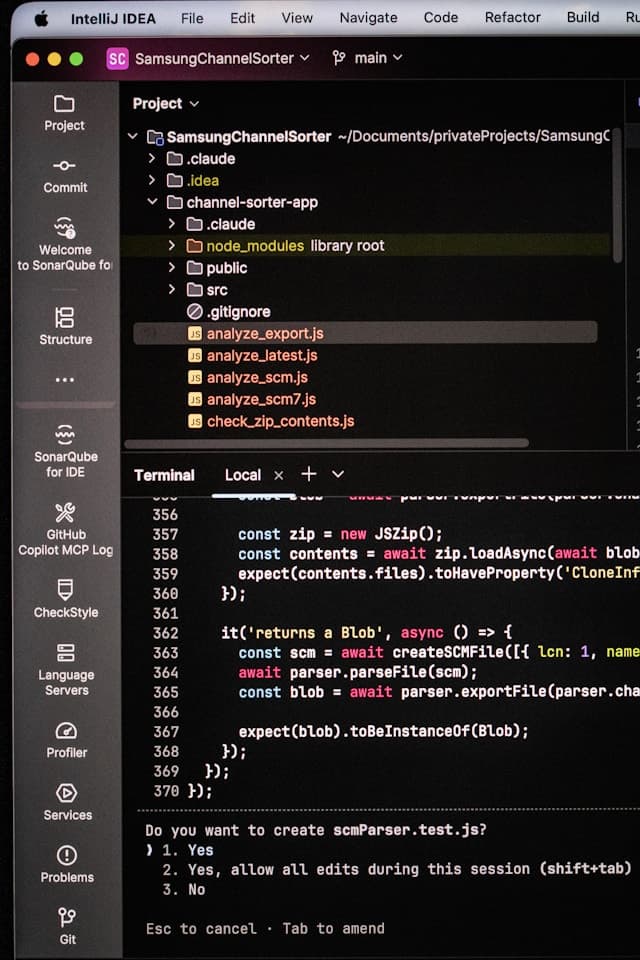
Copilot, Cursor, Claude Code and Google Antigravity all look like $20-a-month tools until you read the billing page. Here's what the best AI coding assistants actually cost in 2026 — credit pools, usage caps, free tiers, and the traps that push a $20 subscription past $100 — plus which one fits solo developers, agent-heavy workflows, and teams in the UK, US, Canada and Australia.
SupunAugust 31, 202610 min read11 views

Best Small Business Accounting Software 2026: Top Picks
The best small business accounting software in 2026 depends on how you work. QuickBooks Online leads for most, Xero wins for growing teams, FreshBooks suits freelancers, Wave is the top free option, and Zoho Books is the value pick. Here is how the leading tools compare on price and features across the US and UK, plus what the new Making Tax Digital rules mean for British businesses.
SupunJune 30, 20269 min read3 views

Best CRM for Small Business in 2026: Top 5 Compared
Looking for the best CRM for small business in 2026? We compare HubSpot, Zoho, Freshsales, Pipedrive, and monday CRM on price, features, and free plans, with current per-user costs, so you can pick the right fit for your team and budget without overpaying.
SupunJune 22, 20268 min read5 views